August 31, 2026
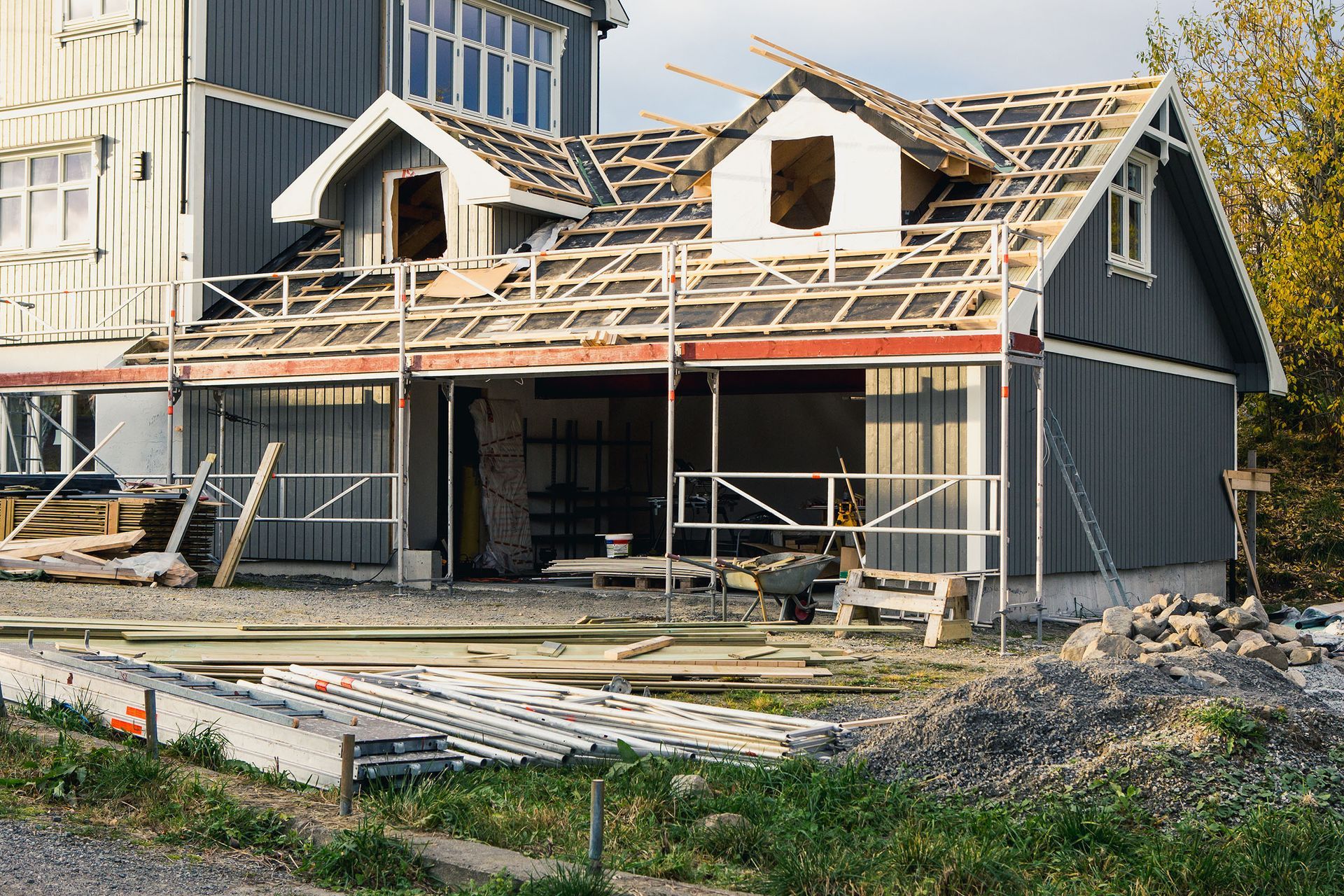
The construction industry is experiencing a profound transformation as off-site manufacturing redefines traditional building timelines. Known for efficiency, speed, and structural precision, modular home builders are altering how residential development projects are executed from initial design through final handover. Conventional construction methods often struggle under the weight of labor shortages, material supply bottlenecks, and unpredictable weather delays.
According to the State of Modular Home Development in the United States in 2025, there is a shortage of 7.3 million affordable rental units in 2025, helping modular homes gain traction as an efficient, sustainable alternative to conventional housing. To meet this massive demand, developers increasingly turn to off-site fabrication to accelerate delivery schedules. By shifting the bulk of labor into controlled factory environments, modular home builders compress development schedules, reduce total overhead costs, and ensure superior quality control across every phase of construction.
Streamlined Design Process
The speed of off-site construction begins long before any raw materials are assembled, starting with an optimized and digitized design phase.
Modular home builders utilize standardized design templates that can be customized to suit individual client tastes without requiring an entirely new architectural plan from scratch. These pre-approved frameworks ensure full compliance with regional building codes, drastically shortening permit approval windows. By collaborating closely with experienced architects, modular home builders merge functional engineering with modern aesthetics. Utilizing rapid prototyping technology and 3D modeling, clients and project teams can visualize structures digitally, allowing for rapid adjustments before manufacturing commences and eliminating costly site modifications later.
Integrating Building Information Modeling provides a central digital repository for engineers, architects, and trade contractors. BIM software detects mechanical, electrical, and structural conflicts in the virtual design phase, preventing real-world delays. Coupled with pre-engineered structural solutions, this comprehensive digital planning streamlines mechanical assessments, enabling modular home builders to transition from preliminary blueprints to factory fabrication in a fraction of the time required by traditional builders.
Efficient Manufacturing Process
The core engine of accelerated modular construction lies inside specialized factory environments, where industrial manufacturing principles replace traditional job-site variables.
Operating within a climate-controlled factory eliminates rain, snow, and extreme temperature disruptions, keeping production schedules predictable year-round. Modern factory floors incorporate advanced robotics to perform repetitive cutting, welding, and framing tasks with millimeter-level precision. Automation speeds up unit fabrication while drastically minimizing material waste, creating structural components that are exceptionally square, tight, and uniform.
Unlike traditional construction, which operates strictly sequentially, off-site manufacturing allows for parallel progress. While factory workers fabricate wall panels, roof trusses, and interior volumetric modules, site crews perform grading, excavation, and foundation work simultaneously on the build site. Stringent quality assurance protocols inside the factory ensure each module undergoes rigorous inspection before shipping, while centralized inventory management maximizes material resources and reduces supply chain friction
.
Reduced On-Site Construction Time
Once prefabricated components arrive on the target site, the transition from raw land to completed structure occurs rapidly.
Modules arrive on site up to 80 percent complete, featuring pre-installed insulation, wiring, plumbing, drywalled interiors, and external siding. Using heavy-duty cranes, specialized installation crews assemble the volumetric sections onto the pre-poured foundation in a matter of days. Experienced assembly teams work with mechanical efficiency, securing structural interlocks and weather-sealing joints far faster than traditional framing crews can build from the ground up.
Coordinating module delivery requires precise logistical planning, ensuring components arrive in exact installation sequence to eliminate site clutter. Advanced structural engineering techniques, such as heavy-duty steel interlocks and reinforced tie-down systems, ensure swift placement while meeting stringent seismic and wind load standards. Minimizing heavy equipment presence on site also reduces neighborhood noise, dust, and traffic disruptions, making the overall build process remarkably unobtrusive.
Enhanced Project Management
Accelerated delivery requires tight oversight, clear communication, and proactive risk mitigation throughout the project lifecycle.
Modular home builders leverage sophisticated project management software to monitor factory progress, transport logistics, and site preparation in real time. Experienced project managers oversee each development step, acting as a single point of accountability for clients, engineers, and municipal inspectors. This dedicated oversight eliminates administrative bottlenecks and ensures every phase transitions seamlessly to the next without unexpected downtime.
Cloud-based communication platforms allow site supervisors and factory managers to exchange real-time data, ensuring field adjustments align instantly with off-site fabrication plans. Proactive risk management strategies identify potential logistical delays early, allowing teams to adjust delivery schedules or material staging dynamically. Furthermore, continuous feedback loops allow builders to refine factory processes after every build, constantly improving operational speed for future projects.
Cost-Efficiency and Budget Control
Controlling project costs goes hand-in-hand with accelerating construction timelines, as predictable finances prevent work stoppages.
Off-site manufacturing offers fixed-cost pricing structures that shield developers from the unexpected price inflation often encountered during long site builds. Factory settings optimize labor efficiency, requiring fewer specialized trade hours per square foot and reducing total labor expenditure. Controlled material usage prevents weather degradation of lumber and drywall, significantly reducing site dumpsters and material disposal fees.
Manufacturing multiple residential units simultaneously within a centralized facility enables builders to secure volume discounts on raw materials, fixtures, and appliances. These economies of scale reduce total square-foot costs while accelerating vendor delivery times. Financial predictability gives lenders and buyers confidence, reducing loan carrying costs and shortening the financial payback period for real estate developers.
Sustainability and Future-Proofing
Fast construction does not mean compromising on environmental standards or long-term structural durability.
Modular home builders prioritize sustainable, eco-friendly building materials that improve indoor air quality and reduce total embodied carbon. Precision-engineered wall panels allow for tighter thermal envelopes, maximizing insulation efficiency and lowering long-term HVAC energy consumption. Furthermore, the modular nature of these structures provides incredible adaptability, allowing homeowners to expand or reconfigure living spaces easily in the future.
Factory fabrication generates up to 90 percent less construction waste compared to site-built homes, with excess materials routinely recycled into new components. High environmental standards and factory quality controls make it easier to achieve green building certifications, such as ENERGY STAR or LEED. Meeting and exceeding these regulatory benchmarks from the start prevents costly code compliance retrofits, ensuring homes are durable, efficient, and fully future-proofed.
Modular home builders have fundamentally transformed modern residential development by delivering an agile, highly predictable, and remarkably fast alternative to site-built construction. By shifting primary assembly into climate-controlled factory environments, streamlining design workflows through advanced BIM modeling, and managing complex transport logistics with digital precision, off-site construction successfully bypasses the weather delays, material degradation, cost overruns, and severe labor shortages that so frequently stall traditional building projects.
This innovative approach bridges the gap between high design standards and rapid execution, offering unprecedented financial predictability through fixed-cost pricing structures and minimized job-site waste. As the national demand for high-quality, sustainable, and affordable housing continues to rise across the country, off-site manufacturing stands out as the scalable, future-proof solution that developers, municipalities, and home buyers urgently require. By embracing precision engineering and concurrent construction processing, project timelines are condensed from years down to months without ever sacrificing structural integrity or energy performance.
When you are ready to eliminate construction headaches, optimize your capital investment, and accelerate your next residential build with exceptional craftsmanship and uncompromising speed, partner with the experienced team at Stromax Homes & Construction to bring your vision to life.